Why a Clean House Matters for Your Health and Happiness
A clean house does more than look nice when guests come over. It changes how a home feels, smells, functions, and supports the people living in it. When clutter piles up, dishes linger, laundry spreads, and dust gathers, the house can start to feel louder than it actually is. Even quiet rooms can feel stressful when every surface seems to ask for attention.
A clean home does not need to look perfect. It does not need to match a magazine photo or stay spotless every hour of the day. Real homes get used. They collect shoes by the door, crumbs under the table, mail on the counter, and towels on the bathroom floor. The goal is not perfection. The goal is a home that feels safe, comfortable, and manageable.
That matters because the state of a home can affect daily routines, mood, sleep, focus, and even physical health. A few steady habits can make a real difference.
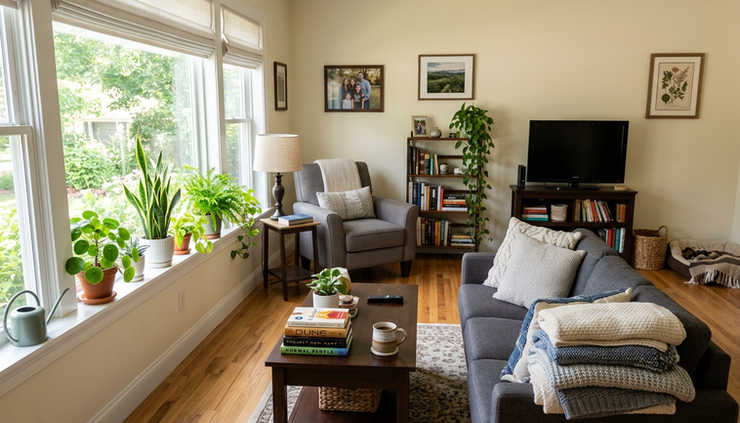
A clean house supports better physical health
A home collects more than visible mess. Dust, pet hair, pollen, food crumbs, moisture, and bacteria can build up in the places people touch and use every day. Regular cleaning helps reduce those irritants and keeps small problems from becoming bigger ones.
This does not mean every surface must be disinfected constantly. For most households, the best approach is simple and consistent. Remove dirt, wash hands, clean high-touch areas, and keep moisture under control.
Common areas that deserve regular attention include:
Kitchen counters and cutting boards
Bathroom sinks, faucets, and toilet handles
Door handles and light switches
Refrigerator handles and appliance knobs
Bedding, towels, and throw blankets
Floors, especially near entrances and eating areas
Cleaning also helps with indoor air quality. Dust can settle on shelves, baseboards, vents, lampshades, and upholstery. When people walk through a room, sit down, or turn on a fan, some of that dust can move back into the air. Vacuuming with a good filter, washing bedding, and wiping surfaces can help reduce buildup.
Moisture is another major issue. Damp bathrooms, wet laundry left in the washer, leaks under sinks, and poorly ventilated corners can invite mildew or mold. Mold can bother some people, especially those with allergies, asthma, or other respiratory concerns. Keeping bathrooms dry, using fans, fixing leaks, and washing damp fabrics quickly all help.
A clean home is not a guarantee of perfect health, but it can reduce common triggers that make daily life less comfortable.
This article is for general information only and is not medical advice. Anyone with ongoing allergies, breathing issues, or symptoms should speak with a qualified health professional.
Clean spaces can calm the mind
Mess has a way of pulling attention. A countertop full of dishes, a chair covered in clothes, or a stack of papers by the door can act like a running to-do list. Even when no one is actively cleaning, the mind may keep noticing what needs to be done.
That background pressure can make it harder to relax. It can also make simple choices feel heavier. Cooking dinner feels harder when the sink is full. Paying a bill feels harder when the table is buried. Getting out the door feels harder when keys, shoes, and bags never land in the same place.
A clean house creates fewer points of friction. It gives the brain less to sort through.
That does not mean clutter causes stress for everyone in the same way. Some people can work well in a busier space. Others feel overwhelmed quickly. Still, most people benefit from having at least a few zones that feel calm and under control.
Good places to start are the areas that shape the day:
The kitchen sink
The entryway
The bathroom counter
The bedside table
The main sitting area
These areas are small enough to manage, but they have a big effect on daily mood. Waking up to a clear bedside table feels different from waking up next to cups, receipts, and tangled cords. Walking into a kitchen with clean counters feels different from starting the morning around yesterday’s dishes.
A cleaner home can also create a stronger sense of control. Life often brings stress that no one can fully manage, from work demands to family needs to unexpected problems. Cleaning gives people a visible result. The effort turns into something real. A cleared table, fresh sheets, or a swept floor can provide a small but meaningful reset.

A tidy home makes healthy routines easier
Healthy habits are much easier in a home that supports them. A messy kitchen can push people toward takeout, snacks, or skipping cooking because the first step is not preparing food. It is clearing space, washing pans, and finding what is needed.
A clean kitchen lowers that barrier. When counters are clear, the sink is usable, and basic tools are easy to reach, cooking feels less like a project. Even simple meals become more realistic.
The same idea applies to sleep. A bedroom that feels clean, cool, and uncluttered can make bedtime more inviting. Fresh sheets, a floor clear of laundry, and fewer items piled near the bed can help signal that the day is winding down.
A tidy bathroom can improve routines too. It is easier to brush teeth, wash your face, shave, style hair, or take medication when the counter is not crowded with expired products, empty bottles, and scattered items.
Cleanliness also helps with movement. Clear floors reduce tripping hazards. Put-away laundry creates more usable space. An open living room can make it easier to stretch, play with children, or exercise at home.
Small systems often matter more than long cleaning sessions. For example:
Keep cleaning wipes or a spray bottle where messes happen.
Place a hamper where clothes actually land.
Use a shoe tray near the door.
Put a small trash can in rooms where trash collects.
Store everyday items close to where they are used.
A clean house works best when the setup fits real life. If backpacks always land by the door, add hooks there. If mail piles up on the kitchen counter, place a basket or paper sorter nearby. If bathroom counters fill with products, use a drawer divider or small tray.
The point is to reduce effort. When the right action is also the easy action, the home stays cleaner with less stress.
Clean homes are safer and more comfortable
Cleanliness and safety are closely connected. Clutter on stairs, loose cords across walkways, slippery bathroom floors, and items stacked where they can fall all create avoidable risks. This matters in every household, and especially in homes with children, older adults, pets, or anyone with mobility challenges.
A safer home often starts with the floor. Clear walkways make it easier to move through the house without stepping over bags, toys, shoes, or laundry. Keeping floors dry in bathrooms, kitchens, and entryways helps reduce slips. Storing heavy items on lower shelves can prevent injuries from lifting or falling objects.
Food safety is another part of a clean home. Crumbs, spills, and open packages can attract pests. Dirty sponges, old leftovers, and sticky surfaces can create unpleasant odors and raise hygiene concerns. Regularly taking out trash, wiping spills, washing dishes, and checking the refrigerator help keep the kitchen healthier and more pleasant.
Comfort also depends on sensory details. A clean home smells fresher. Soft surfaces feel better when they are vacuumed or washed. Bathrooms feel better when mirrors, sinks, and tubs are clean. Bedrooms feel more restful when sheets are fresh and clutter is limited.
Comfort does not require expensive decor. Often, the most satisfying changes are basic:
Clean sheets on the bed
A wiped bathroom mirror
A swept entryway
A couch free of crumbs
A kitchen trash can that is not overflowing
These simple details tell the body, “This space is cared for.” That message can make a house feel more like a refuge.

Cleaning can improve relationships at home
Housework can become a source of tension when people feel the burden is uneven or when standards are unclear. One person may see a messy sink as urgent. Another may not even notice it. One person may care about vacuuming. Another may care more about laundry.
A cleaner home can support better relationships, but only when the work is shared in a fair and realistic way. The goal is not for one person to silently carry the household. The goal is for everyone who can help to understand what needs to be done and take part.
Clear expectations help. Instead of vague requests like “help more,” it works better to define tasks:
Dishes are done before bed.
Trash goes out when the bag is full.
Laundry is moved the same day it is washed.
Toys are picked up before dinner.
Bathroom counters are wiped twice a week.
Household standards do not need to be identical for every person. They do need to be discussed. When expectations are visible, resentment has less room to grow.
Cleaning together can also turn chores into a shared reset. A 20-minute family pickup, a weekend music-and-clean session, or a quick after-dinner kitchen routine can make the work feel less isolating.
For children, cleaning teaches care, responsibility, and life skills. Small tasks can start early, such as putting toys in a bin, placing clothes in a hamper, or wiping a table with help. The point is not perfect performance. It is learning that homes require care and that everyone contributes.
A clean house does not have to mean a perfect house
Many people avoid cleaning because they imagine it as an all-day event. The house gets out of hand, the job feels too big, and nothing starts. A better approach is to lower the activation energy.
Think in terms of maintenance, not rescue.
A house that gets five to 15 minutes of attention each day is usually easier to manage than a house that waits for one huge cleaning day. Tiny routines prevent mess from hardening into a major project.
Try these simple habits:
Make the bed most mornings.
Reset the kitchen after dinner.
Do one load of laundry from start to finish.
Clear one surface before bed.
Put items away when leaving a room.
Set a 10-minute timer and clean whatever is most visible.
The timer method works because it removes the pressure to finish everything. Ten minutes can clear a counter, fold a small load of laundry, vacuum a hallway, empty trash cans, or wipe a bathroom sink. The visible result often creates enough momentum to keep going, but stopping is allowed.
It also helps to clean by category less often and by location more often. Instead of thinking, “I need to clean the entire house,” choose one room or one zone. The kitchen counter. The bathroom sink. The entryway floor. The nightstand.
Progress counts. A home can be both unfinished and meaningfully better.

Make cleaning easier with systems that fit your life
The best cleaning routine is the one you can repeat. A complicated schedule may look good on paper, but it will not help if it falls apart after three days. Start with the biggest pain points and build from there.
If mornings feel chaotic, focus on the night before. Clear the sink, pack bags, set out clothes, and reset the entryway. If weekends disappear into chores, add small weekday tasks. If laundry is always the problem, reduce clothing overflow, use separate hampers, or assign laundry days by person or category.
A simple weekly rhythm might look like this:
Day | Small focus |
Monday | Laundry and bedroom reset |
Tuesday | Bathrooms |
Wednesday | Floors |
Thursday | Kitchen appliances and trash |
Friday | Papers, entryway, and living areas |
Saturday | Bigger tasks or catch-up |
Sunday | Rest and light reset |
The schedule is only a guide. Homes change from week to week. Illness, busy seasons, guests, work, childcare, and fatigue all affect what gets done. A useful routine has room for real life.
Decluttering also makes cleaning easier. The fewer unused items sitting around, the less there is to dust, move, wash, store, and organize. Start with obvious clutter, such as expired food, worn-out towels, broken items, old mail, and products no one uses. Donate, recycle, or throw away what no longer serves the household.
Cleaning products do not need to be complicated either. Most homes can handle daily messes with a few basics, such as an all-purpose cleaner, dish soap, microfiber cloths, a vacuum, a mop, a toilet brush, and trash bags. Always follow product labels, avoid mixing chemicals, and keep cleaners away from children and pets.
A clean home gives back every day
A clean house matters because home is where life keeps returning. It is where meals are made, sleep happens, bodies recover, conversations unfold, and ordinary days begin and end. When that space is cared for, daily life often feels lighter.
The benefits are practical and emotional. Cleaner surfaces can reduce irritants. Clear floors can improve safety. Fresh bedding can support rest. Organized spaces can make routines easier. A calmer environment can help the mind settle.
A clean home is not a moral achievement. It is not proof that someone has life figured out. It is simply a form of care, for health, for comfort, for time, and for peace of mind.
Start small. Choose one area that bothers you the most and give it 10 focused minutes today. Clear the sink, change the sheets, sweep the entryway, or wipe the bathroom counter. One clean space can change the feel of a room, and one room can change the feel of a home.


Comments